VALUE CREATION
OUR STRATEGY, PERFORMANCE AND IMPACT
Contributing to a Sustainable Future (The UN SDGs)
As Difference Makers, the accounting profession is well positioned to help solve society’s most pressing problems
SAICA remains deeply committed to supporting the UN SDGs, leveraging its influence to drive meaningful change across South Africa and beyond. Through targeted initiatives, collaborations, and the efforts of its members, SAICA strives to make a significant impact on social, economic and environmental challenges.
SAICA’s Commitment to the UN SDGs
SAICA has embraced the SDGs as part of its strategic framework, recognising their potential to drive meaningful change in social, economic and environmental spheres.
We have identified SDGs 4, 8, 10, 13, 16, and 17 as priorities, driving targeted initiatives to maximise our impact. SAICA also mobilises the finance and business community to actively contribute to the SDGs.
The role of The Hope Factory and SAICA Enterprise Development
The strategic intent of The Hope Factory is to empower individuals and communities to successfully start and manage their own businesses. Its value proposition lies in enhancing socio-economic development by addressing poverty through community upliftment and entrepreneurship skills development programmes.
SAICA Enterprise Development aims to enhance the Chartered Accountancy profession by leveraging its expertise to support SMME development through the promotion of financial excellence.
Our value proposition is to drive financial excellence and compliance for entrepreneurs through the accountancy profession, complemented by bespoke, industry-specific entrepreneurial development programmes.

Their impact includes:
Empowering SMMEs and individuals
Actively supporting 737 SMMEs and individual beneficiaries through tailored entrepreneurial development programmes
Strengthening Small and Medium Accounting Practices
Engaging with 75 Small and Medium Accounting Practices as coaches or accountants to provide hands-on support and expertise
Volunteer engagement
Mobilising 75 volunteers who dedicated their time and knowledge to advance these initiatives
Impact on Women
A total of 356 women-owned businesses are supported across all programmes

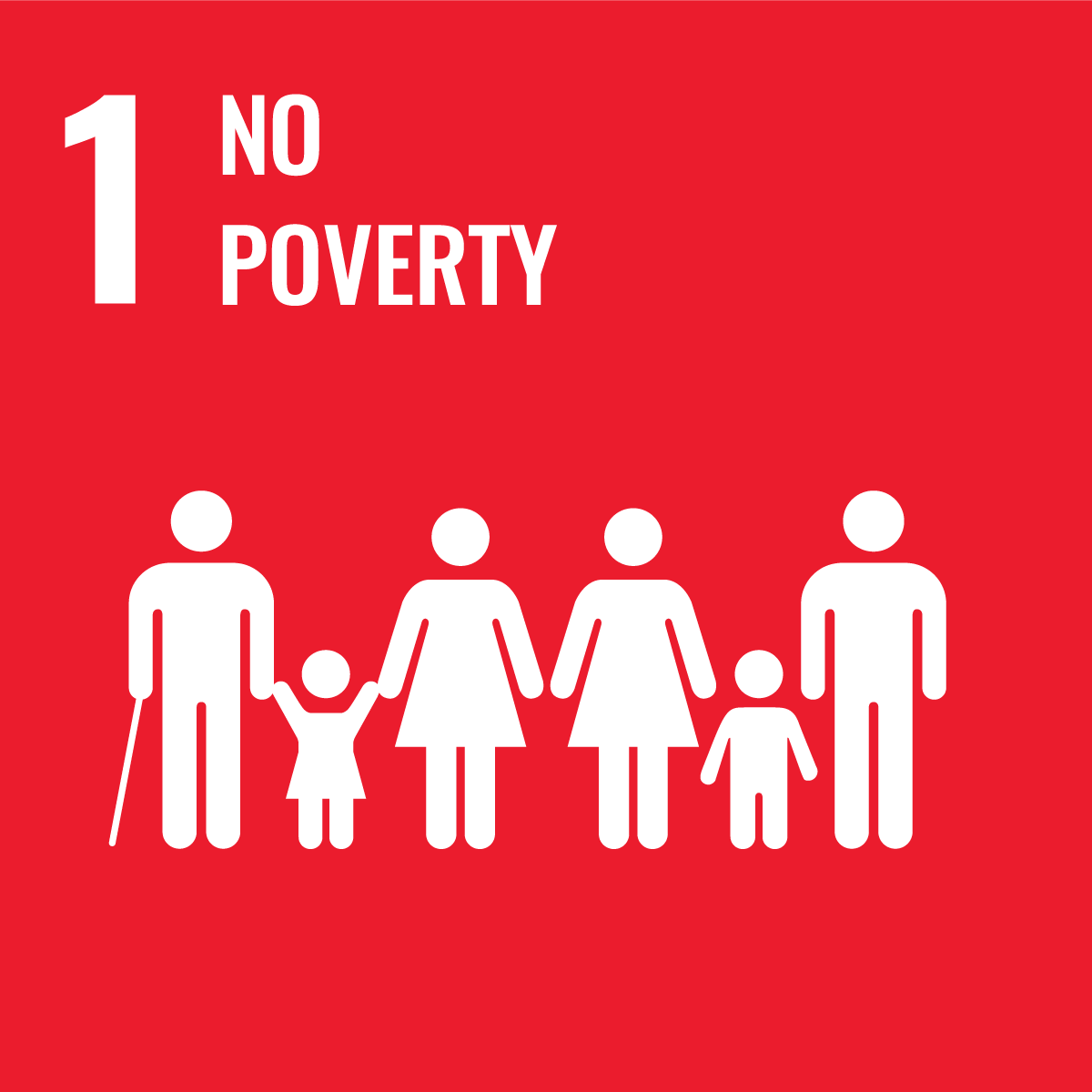
The Hope Factory and SAICA ED (The Hope Factory Group) exceeded their annual income targets set for 2024. The Hope Factory Group also achieved a 63.64% retention rate on their traditional income. The Hope Factory and SAICA Enterprise Development play a vital role in contributing to the following SDGs − 1, 4, 5, 8, 10, and 17.
Initiatives
The Hope Factory
Socio-economic development (SED) flagship and customised programmes
Impact / difference made
Over 2 776 beneficiaries empowered since inception (2004)
Initiatives
The Hope Factory-accredited NVC Skills Development and customised programmes
New venture creation (NVC) short skills accredited customised programmes that equip and educate individuals through the transfer of knowledge and skills
Impact / difference made
10 individuals were supported through an accredited New Venture Creation programme
Initiatives
The Hope Factory and SAICA ED initiatives with a focus on women
Across all our programmes for THF Group, there is a key emphasis on recruiting and onboarding women-owned businesses
Impact / difference made
In 2024, a total of 356 women-owned businesses were supported

Initiatives
The Hope Factory and SAICA ED projects and programmes
THF Group programmes and customised projects are actively involved in Goal 8 in terms of our enterprise and supplier development, socio-economic development and skills development initiatives
Impact / difference made
There were 28 programmes and customised projects during 2024, equipping 737 small businesses and/or individuals through coaching, mentoring, masterclasses (i.e bootcamps) and accounting support initiatives
Initiatives
THF Group’s youth initiatives
The THF Group continues its intent of supporting the youth by facilitating job placement opportunities
Impact / difference made
Initiatives
The Hope Factory and SAICA ED public-private partnerships with various institutions, clients, SETAs
Key partners include: KPMG (volunteers); FTI Consulting (volunteers); Exxaro Resources; Cennergi Services; De Aa Solar Capital; CHIETA; Sasol Group; Northam Platinum; Glencore; Merafe Resources; Enel Green Power; SAICA member volunteers; Small and medium accounting practices; and Chemin
Impact / difference made
Our 2024 ecosystem of partners include: 75 SAICA-associated small and medium practices (SMPs); 75 volunteers; 36 business coaches, industry coaches, facilitators, and assessors and moderators. All these ecosystem partners directly impacted 737 SMMEs and individuals (business owners) during 2024, across a total of 28 programmes (including flagship and customised SMME/ESD programmes)
These efforts reflect our dedication to economic development, reducing inequality, and empowering communities while also addressing key aspects of sustainable development.